A solar plant is only as dependable as the structure under its panels. The mounting structure has to carry the weight of the modules, resist wind and stay straight and corrosion free through decades of sun, rain and dust. Roll formed steel channels are one of the most common ways to build it.
Why channels?
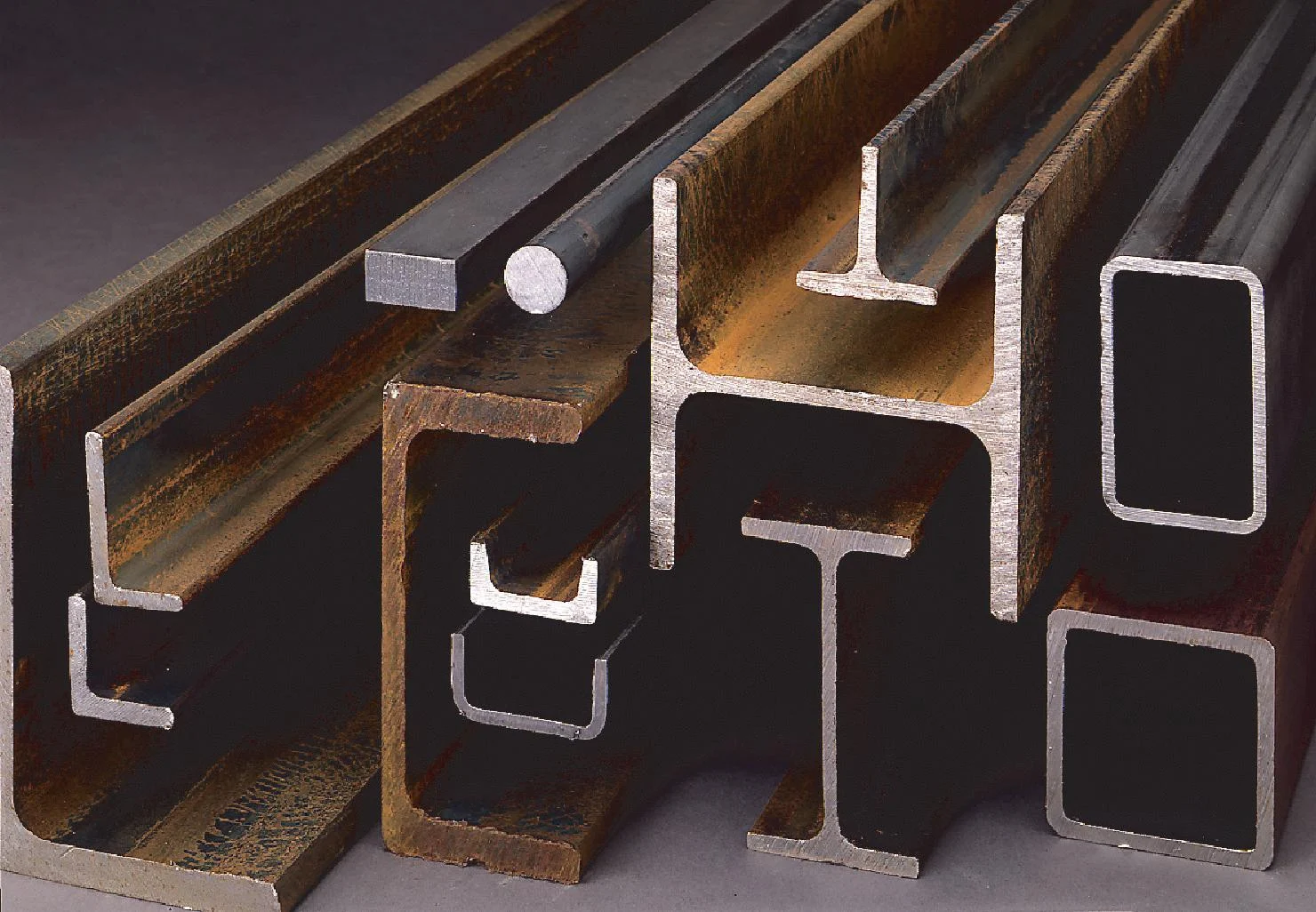
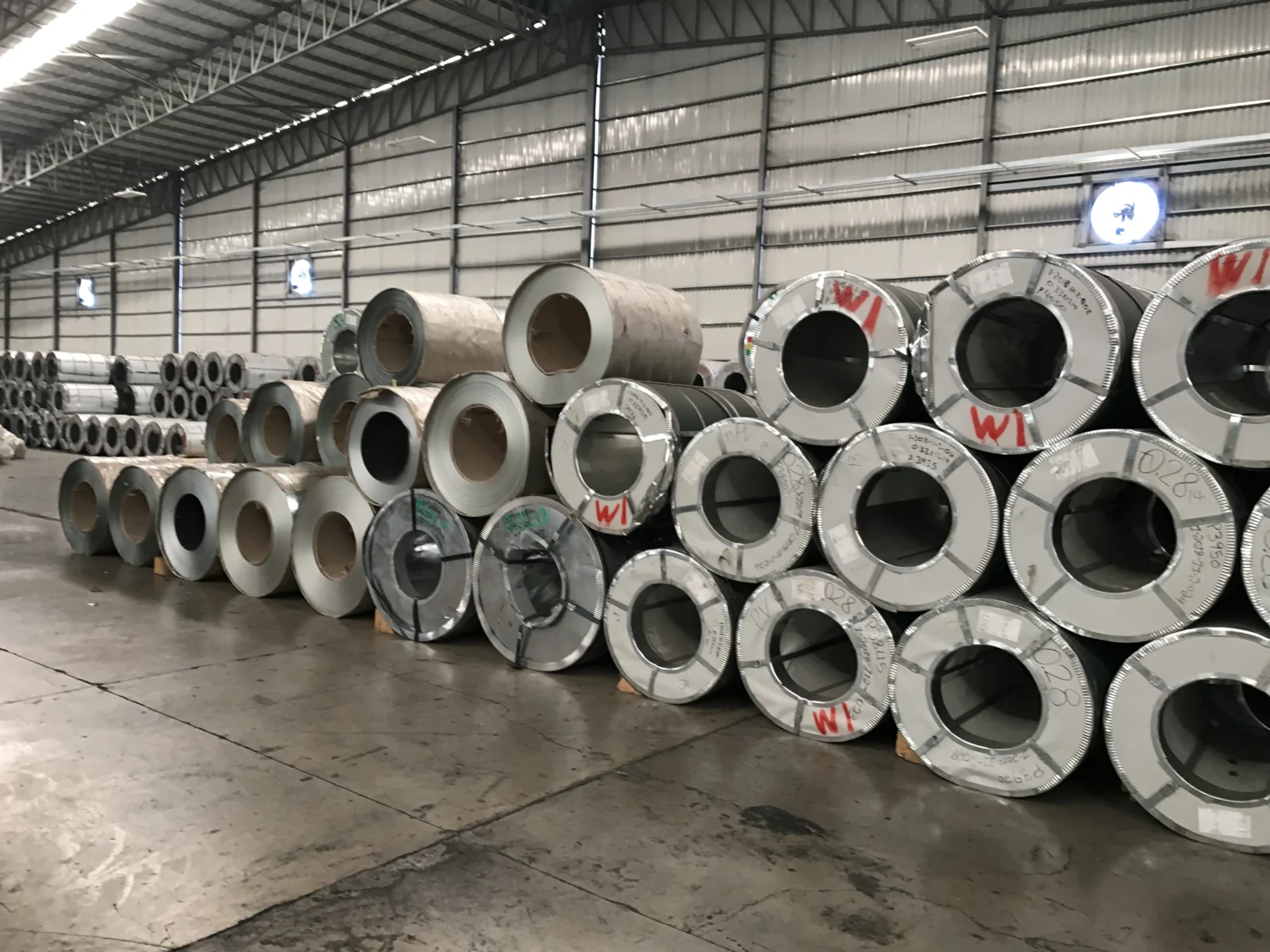
Channels are formed from steel coil into a shaped section, which gives high bending strength for the weight of steel used. They are easy to cut, punch and bolt on site, which speeds up installation and keeps fabrication cost under control.
U channel and hat channel: how they differ
A U channel has a flat web with two flanges on the same side, forming an open U. It is a simple, strong section often used for rails, supports and posts. A hat channel adds lips that turn outward from the flanges, so its profile looks like a hat. The shape adds stiffness and gives a wider flat surface for fixing panels or clamps.
Which one is used where depends on the structural design, so your solar EPC or engineer will specify it.
Where each part is used
| Part | Typical section | What to check |
|---|
| Main rails | U or hat channel | Thickness and section size |
| Purlins | Often hat channel | Straightness and hole spacing |
| Posts and supports | U channel or pipe | Strength and coating |
| Brackets and clamps | Solar fittings | Fit with channels and fasteners |
This table is a general guide. Follow your project design.
Why galvanised steel
Panels sit outdoors for 25 years or more. Galvanised steel carries a zinc layer that protects the base metal from rain, dust and humidity. A thicker coating lasts longer, which matters most in coastal, humid or industrial locations. Cut ends and drilled holes expose bare steel, so plan holes in advance rather than drilling on site.
Buyer checklist
- Section size and thickness as per the drawing
- Zinc coating requirement for your location
- Length and tolerance, and straightness on delivery
- Custom cutting and hole patterns
- Mill test certificate and test reports
- Delivery schedule matched to the installation plan
Key Takeaways
- U and hat channels give strong, light and easy to install support for solar panels.
- Hat channels add stiffness and a wider fixing surface.
- Galvanised steel protects the structure for decades outdoors.
- Plan holes and cuts early, and ask for test certificates with every lot.
Shriuma Steel supplies U channels, hat channels and solar fittings for solar structures across India. See our U Channel page and Hat Channel page, or send us your requirement for a quote.