BLOG / CONSTRUCTION
TMT Bars Buying Guide: How to Choose the Right Grade for Your Project
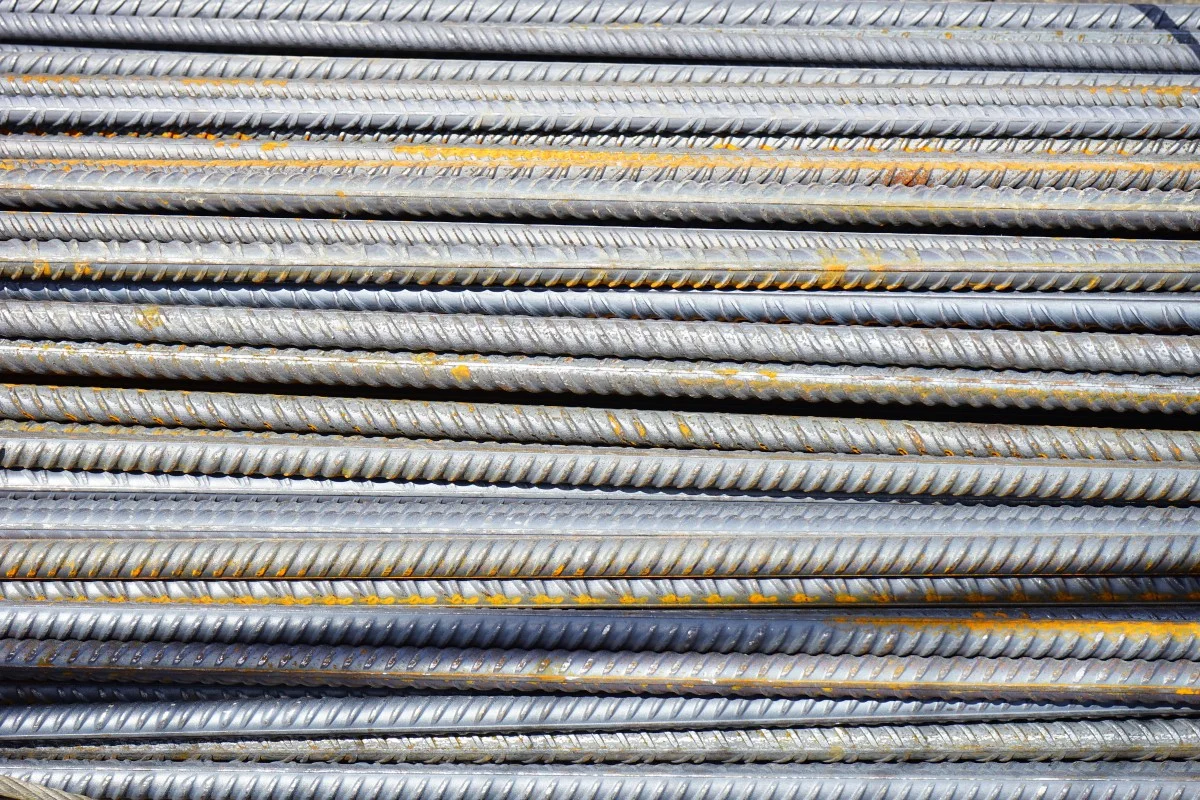
Choosing TMT bars looks simple until you see the options on a quotation: Fe 500, Fe 500D, Fe 550D, different brands and different prices. The grade you pick affects how a building behaves under load, in an earthquake and over decades of use. This guide explains the basics in plain language so you can talk to your engineer and your supplier with confidence.
What does the grade number mean?
The letters Fe stand for iron and the number is the minimum yield strength of the bar in megapascals (MPa). A Fe 500 bar will not stretch permanently until the load reaches at least 500 MPa. The suffix D stands for ductility: a D grade bar can bend and stretch further before it breaks, which gives a structure time to show warning and share load during an earthquake or overload.
Indian TMT bars are made to the IS 1786 standard, which covers grades, sizes, mechanical properties and testing.
| Grade | Minimum yield strength | Where it is commonly used |
|---|---|---|
| Fe 500 | 500 MPa | Houses, boundary walls and general RCC work |
| Fe 500D | 500 MPa | Residential and commercial buildings, especially in seismic zones |
| Fe 550D | 550 MPa | High-rise buildings, bridges and heavy structures |
Always follow the grade written in your structural drawing. This table is a general guide only.
How to choose the right grade
- Start with the drawing. Your structural engineer has designed the building for a specific grade. Do not swap it for a cheaper one without written approval.
- Check your seismic zone. Large parts of India fall in moderate to high seismic zones, where a D grade bar is the safer choice.
- Plan your sizes. Common diameters run from 8 mm to 32 mm and the standard length is 12 m. Ordering the right mix of sizes reduces cutting waste on site.
- Compare cost per project, not cost per kg. A higher strength grade can reduce the quantity of steel in a design, but only when the engineer has designed for it.
Five quality checks at delivery
- Brand and standard marking. Genuine bars carry the brand name and size rolled onto the surface at regular intervals.
- Ribs and surface. Ribs should be uniform and continuous. Avoid bars with cracks, flaking rust or uneven rib patterns.
- Weight per metre. Weigh a one metre piece. A large gap from the standard weight means the bar is thinner than its label.
- Mill test certificate. Ask for the MTC with the heat number so the bar can be traced to its production batch.
- Bend test. A good bar bends and re-bends around a mandrel without cracking. Ask your site engineer to test a sample.
Common buying mistakes
- Choosing on price per kg alone.
- Mixing different grades in one structure.
- Storing bars on bare ground or in the open. Keep them off the floor, covered and away from moisture and salt.
- Skipping inspection when the truck arrives.
Key Takeaways
- The number in Fe 500 is the minimum yield strength in MPa.
- The letter D means better ductility, which matters in earthquake zones.
- Follow the grade in your structural drawing.
- At delivery, check the marking, ribs, weight per metre and the mill test certificate.
Shriuma Steel supplies TMT bars in Fe 500, Fe 500D, Fe 550 and Fe 550D, in sizes from 8 mm to 32 mm, across India. See the full range on our TMT Bars page or send us your requirement for a quote.
Keep Reading
COILS AND SHEETS